Out here in Shropshire, our fields are never just ours. Long before the first petals bloom, the hedgerows are busy with birdsong, and on still evenings you can catch bats flickering along the field edges as the light fades.
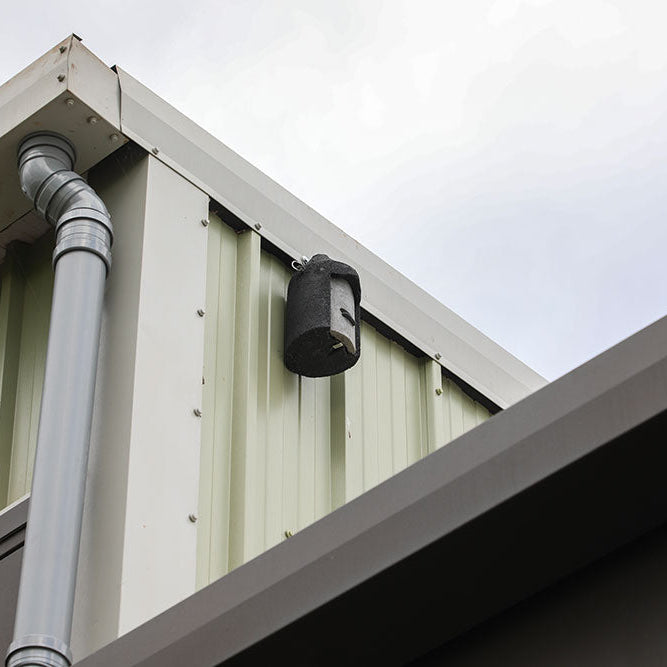
As part of our commitment to caring for the natural world around us, we’ve just put up a handful of new homes for them: two bird nesting boxes and three bat boxes, tucked into quiet spots around the farm. Now comes the fun part. We can’t wait to see who moves in.

Why bird and bats matter on the farm
Birds and bats once had plenty of places to call home: hollow trees, gaps under roof tiles, cracks in old barns. As old trees come down and buildings are repaired or replaced, many of those nooks have quietly disappeared. Nest and bat boxes help fill that gap, giving wildlife a safe, sheltered spot to raise young and rest.
It matters because many of our most familiar species are struggling. House sparrows and starlings, once everyday garden birds, are now on the UK’s red list of birds of highest conservation concern. Bat populations in the UK also fell sharply over the last century, and all British bat species are now protected by law.
There’s a lovely bit of give and take, too. A single pipistrelle bat can eat thousands of tiny insects in one night, and a pair of blue tits will gather an astonishing number of caterpillars to feed a hungry brood. For a working farm, that’s natural pest control, quietly happening in the background.
Five boxes won’t change the world on their own. But they’re a small, practical step towards a farm where wildlife has room to thrive alongside our flowers and crops.

For the birds
Our two new nest boxes are Schwegler 1Bs, a favourite of bird conservationists. They’re made from woodcrete, a mix of wood fibre, clay and concrete, which keeps them snug in winter and cool for chicks in spring. They’re also built to last, with a 25-year guarantee, so they’ll be part of the farm for many seasons to come.
Putting them up in autumn gives birds time to find them. Many use boxes as somewhere warm to roost through the colder months, then come back to scout out nesting spots in early spring.
For the bats
Alongside them, we’ve installed three Schwegler 2F bat boxes. Inside, the roof is textured and rounded, giving bats plenty to grip onto as they hang and roost.
Bats can take their time deciding whether a new box is right for them, so we’re settling in for a patient wait. Once they do move in, we’ll leave them be. Bats and their roosts are protected in the UK, so our job is simply to give them a safe, undisturbed place to rest.
A night out with the bats
Our love of wildlife goes beyond the farm gate. This September, Jemma from the Shropshire Petals team joined a bat walk at the Stiperstones, in the Shropshire Hills National Landscape, hosted by Shropshire Bat Group, an active volunteer organisation.
It was the first cold night in a while, and bats will happily stay tucked up to save energy when they aren’t too hungry, so sightings were few. But it gave Jemma plenty of time to learn from guide John’s knowledge and stories, and to try out the bat recording devices.
The patience paid off. After the official walk ended, the volunteers caught a long-eared bat, and Jemma got to watch the ringing and recording process, which helps keep bat monitoring reliable.
Now she’s hoping to bring a team bat walk closer to home, perhaps in our local nature reserve or even among the flower fields next summer. We’d love to see how our flowers fit into the wider ecosystem, hopefully laying on a feast of insects for our night-flying friends.

Watch this space
We’ll be keeping a gentle eye on the boxes over the coming months and will share any sightings as our new neighbours arrive. Here’s hoping for a spring full of fledglings, and summer evenings filled with bats.